


Total Loss Appraisal
Do you believe the insurance company has undervalued your vehicle? An independent total loss appraisal can help establish its fair pre-loss market value and provide professional documentation for your settlement dispute.
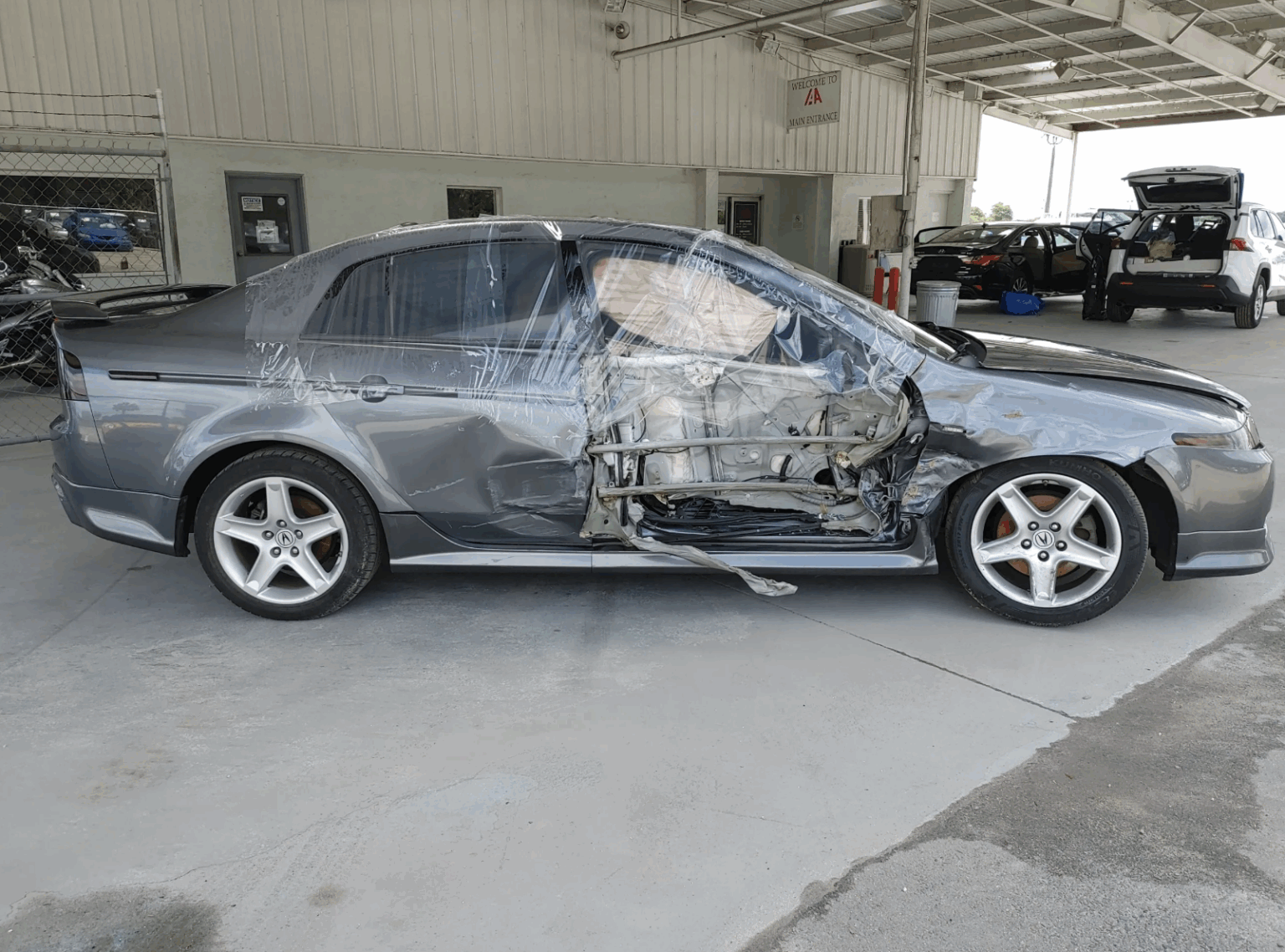
What Is a Total Loss Appraisal?
A total loss evaluation determines whether a vehicle has been damaged so severely that repairing it would be economically impractical compared with its actual cash value, or ACV, immediately before the accident or incident.
When an insurance company declares a vehicle a total loss, it has generally determined that the estimated repair costs meet the applicable total loss requirements. That decision may consider the repair estimate, vehicle value, salvage value, state requirements, policy terms, and other expenses associated with the claim.
The insurance company will then prepare a valuation and settlement offer. If that valuation does not accurately account for your vehicle’s condition, mileage, equipment, options, upgrades, or local market, an independent appraisal may help document a more accurate pre-loss value.
The issue is not always whether the vehicle is a total loss. The dispute is often whether the insurance company has accurately calculated what the vehicle was worth immediately before the loss.
Review the Valuation Before Accepting the Settlement
Incorrect condition ratings, missing options, unsuitable comparable vehicles, and unexplained deductions can significantly affect an insurance company’s settlement offer.
The Total Loss Evaluation Process
Understanding each part of the evaluation can help you review the insurance company’s decision and determine whether your vehicle has been valued fairly.
Initial Damage Assessment
After the accident, the vehicle is inspected to determine the extent of the visible damage and identify possible hidden, structural, mechanical, or safety-related damage.
Repair Cost Estimate
A repair estimate is prepared using the anticipated cost of parts, labor, paint, materials, procedures, and additional work needed to return the vehicle to a safe and operable condition.
Actual Cash Value Determination
The ACV is intended to represent the vehicle’s fair market value immediately before the loss. Age, mileage, prior condition, equipment, options, maintenance, upgrades, and comparable vehicles can affect this amount.
Total Loss Threshold
The insurance company compares the projected repair expense and other applicable costs with the vehicle’s pre-loss value. The calculation and threshold can vary by state, policy, insurer, and claim circumstances.
Total Loss Calculation
When the applicable calculation indicates that repairing the vehicle is not economically reasonable, the insurer may declare it a total loss and prepare a settlement based on its valuation.
Settlement Offer
The insurer presents an offer based on its calculated ACV, subject to the applicable deductible, policy provisions, taxes, fees, and possible salvage considerations.
Independent Value Review
If you believe the offered value is inaccurate, an independent appraiser can review the vehicle information, comparable vehicles, adjustments, and relevant market evidence.
Salvage and Title Considerations
A total loss vehicle may be subject to salvage title, retention, inspection, or rebuilding requirements. These requirements vary, so review your options before deciding whether to release or retain the vehicle.
What Should You Review in the Valuation?
A valuation can appear detailed while still containing inaccurate information. Review the report carefully before deciding whether the settlement reflects your vehicle’s true pre-loss market value.
Vehicle Information
Confirm the year, make, model, trim, drivetrain, engine, mileage, body style, equipment, packages, and optional features.
Condition Rating
Review how the insurer rated the vehicle’s interior, exterior, mechanical condition, tires, maintenance, and prior damage.
Comparable Vehicles
Determine whether the comparable vehicles closely match your vehicle and whether they reflect the appropriate geographic market.
Adjustments and Deductions
Look for unsupported condition deductions, projected dealer adjustments, configuration differences, mileage adjustments, or unexplained reductions.
Upgrades and Recent Work
Confirm that important options, modifications, special equipment, recent maintenance, and major replacement components were properly considered.
Do You Need a Total Loss Auto Appraisal?
You may want an independent appraisal if the insurer’s settlement appears lower than the price of comparable vehicles or if the valuation contains inaccurate information about your vehicle.
An independent appraiser can examine the vehicle’s specifications, condition, options, upgrades, market, comparable vehicles, and the insurance company’s adjustments. The completed report provides professional documentation supporting an independent opinion of the vehicle’s pre-loss value.
It is also important to review your insurance policy and communicate with the insurance company during the process. Some policies include an appraisal clause that may provide a method for resolving a value dispute.
Why Choose CFL Auto Appraise?
Work directly with an experienced independent appraiser who understands automotive damage, repair procedures, insurance valuations, and market research.
Independent Analysis
The appraisal is prepared as an independent, evidence-based opinion rather than an estimate designed to support a predetermined settlement amount.
Detailed Market Research
Vehicle specifications, condition, mileage, options, upgrades, and relevant market information are considered when developing the opinion of value.
Professional Documentation
Receive a comprehensive report explaining the vehicle information, market evidence, adjustments, analysis, and concluded pre-loss value.
Nationwide Service
Online desk-review and appraisal solutions are available nationwide, making professional assistance accessible wherever your vehicle is located.
Direct Personal Service
Work directly with CFL Auto Appraise from the initial consultation through completion and delivery of the appraisal report.
Clear Guidance
The process is designed to help you understand the insurer’s valuation, identify possible concerns, and determine the next appropriate step.
Do Not Let an Inaccurate Valuation Determine Your Settlement
A total loss can be stressful, but understanding how the insurer calculated your vehicle’s value can help you make a better-informed decision. Carefully review the settlement, comparable vehicles, condition ratings, options, and deductions before accepting the offer.
If the insurance company’s valuation does not accurately reflect your vehicle, CFL Auto Appraise can provide an independent market analysis and professional appraisal report to support your total loss value dispute.
Find Out Whether Your Total Loss Offer Is Fair
Book a free consultation or call/text CFL Auto Appraise today. We will discuss your vehicle and settlement offer and help you understand the next step.