


Right to Appraisal
When you and your insurance company cannot agree on the value of your vehicle or the amount of a covered loss, your policy’s appraisal clause may provide a structured way to resolve the dispute.
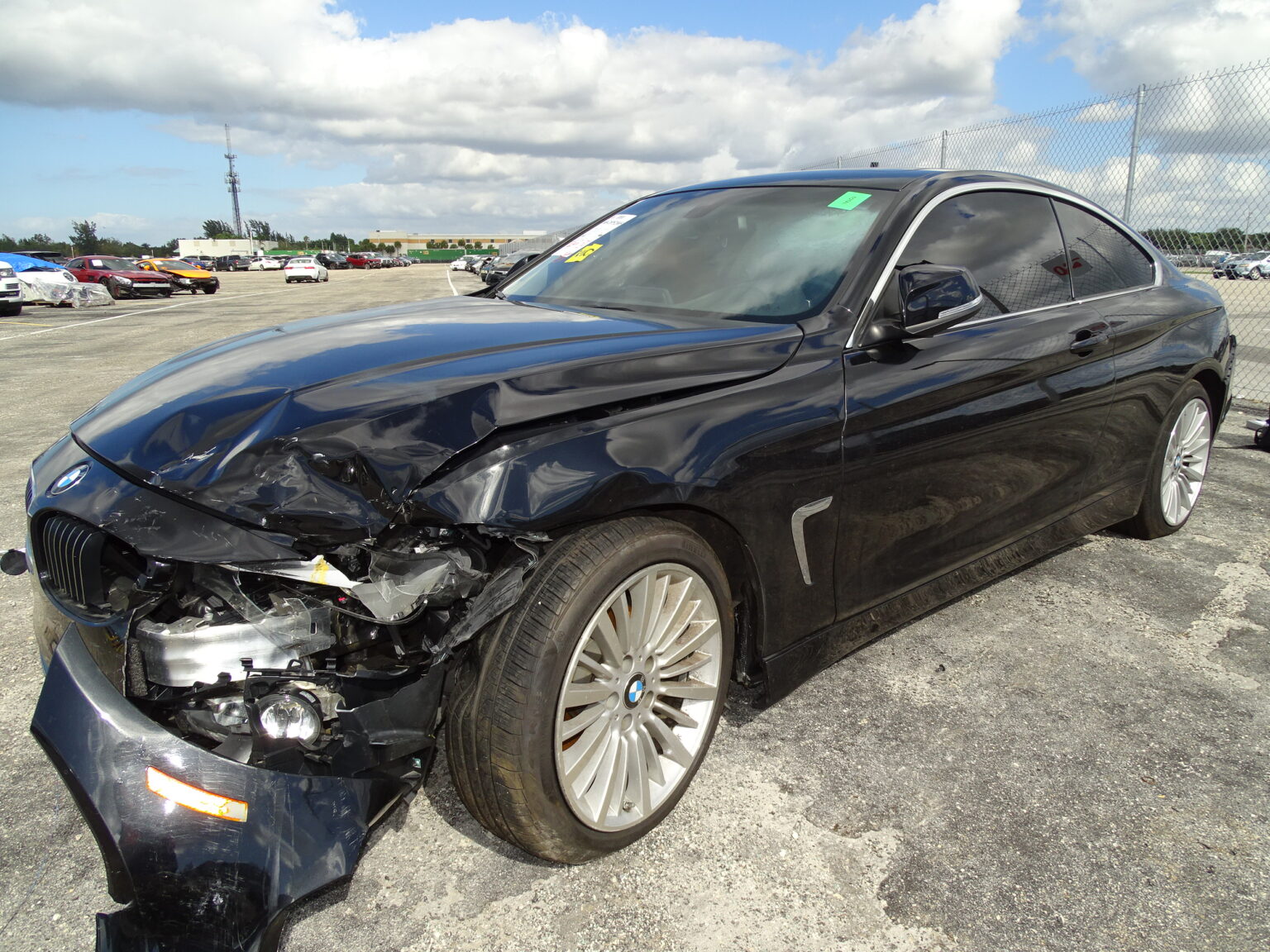
What Is the Right to Appraisal?
The Right to Appraisal, often called RTA, refers to an appraisal provision found in many automobile insurance policies. Depending on the exact language of the policy, it may provide a method for resolving disputes over a vehicle’s value or the amount of a covered loss.
The appraisal clause may become relevant when there is a significant difference between the insurance company’s valuation or repair position and what the policyholder believes represents the vehicle’s fair market value or the proper amount required to return the vehicle to its pre-loss condition.
Rather than leaving the decision entirely to one side, the process allows both the policyholder and insurance company to select appraisers who independently evaluate the disputed amount.
Every insurance policy is different. The specific policy language controls whether the appraisal clause applies, what issues may be appraised, and how the process must be completed.
Start by Reading the Appraisal Clause in Your Policy
Before invoking appraisal, review the deadlines, notice requirements, costs, covered disputes, appraiser qualifications, umpire procedure, and any other conditions contained in your insurance contract.
How Right to Appraisal Typically Works
The exact process depends on the policy, but many appraisal clauses follow a structure similar to the steps below.
A Dispute Develops
The policyholder and insurer are unable to agree on the value of the vehicle or another amount of loss that may be addressed by the policy’s appraisal provision.
Appraisal Is Formally Demanded
One party invokes the appraisal clause according to the policy’s requirements. This may require written notice and compliance with specific deadlines or procedures.
Each Party Selects an Appraiser
The policyholder and insurance company each select a competent and impartial appraiser. Each appraiser reviews the available evidence and independently evaluates the disputed amount.
The Appraisers Select an Umpire
The two appraisers select a neutral umpire who may be asked to review unresolved differences if the appraisers cannot reach an agreement.
The Evidence Is Evaluated
The appraisers may review vehicle details, damage, repair procedures, estimates, photographs, market information, comparable vehicles, invoices, and other relevant documentation.
An Agreement or Award Is Reached
If the appraisers agree, they document the agreed amount. If they do not agree, unresolved matters may be submitted to the umpire. The required signatures and effect of an award are determined by the policy language and applicable requirements.
The Importance of an Accurate Auto Appraisal
Your vehicle may represent a substantial financial investment. An accurate appraisal helps establish a credible, supportable position when the amount of loss is disputed.
Fair Compensation
An accurate appraisal can help determine whether the insurer’s valuation or repair position reflects the vehicle, its condition, equipment, market, and the actual requirements of the loss.
Financial Protection
An undervalued settlement can create a substantial financial shortfall, especially when you still owe money on the vehicle or need to purchase a suitable replacement.
Credible Documentation
A professional appraisal report provides organized documentation and evidence that can support your position during the insurance appraisal process or related proceedings.
Peace of Mind
Knowing that your position has been researched and documented by an independent professional can provide greater confidence during a stressful insurance dispute.
Why a DIY Appraisal Can Work Against You
Internet listings and personal estimates may be helpful for general research, but they do not replace a defensible professional appraisal prepared for an insurance value or repair dispute.
Lack of Appraisal Expertise
Vehicle valuation requires knowledge of condition, configuration, market trends, comparable selection, repair procedures, and the factors that influence a vehicle’s value.
Unintentional Bias
Personal attachment can influence how an owner views the vehicle. An unsupported or inflated opinion may be challenged and weaken the credibility of the claim.
Incomplete Market Research
Selecting comparable vehicles requires more than finding the highest-priced advertisements. Differences in mileage, options, condition, location, and configuration must be considered.
Weak Documentation
A personal opinion may not include the detailed evidence, adjustments, photographs, explanations, and analysis needed to withstand professional scrutiny.
Policy and Procedure Errors
Missing a deadline, selecting an unqualified appraiser, or failing to follow the policy’s appraisal process can create unnecessary complications.
Additional Stress
Researching the market, preparing documentation, and communicating through a disputed insurance claim can become overwhelming after an accident.
Benefits of Hiring a Professional Appraiser
A qualified appraiser brings technical knowledge, market research, documentation, and impartial analysis to the appraisal clause process.
Expertise and Experience
A professional appraiser understands the factors affecting vehicle value and the methods used to develop a supportable appraisal opinion.
Impartial Valuation
The appraisal is prepared as an independent, evidence-based analysis rather than an emotional or predetermined opinion.
Thorough Documentation
The finished report can include vehicle information, condition, photographs, market evidence, comparable vehicles, adjustments, and an explanation of the conclusions.
Professional Communication
An experienced appraiser can communicate the supporting evidence and valuation position with the insurer’s appraiser during the appraisal process.
Defensible Analysis
A properly researched appraisal provides stronger support than a collection of unadjusted listings or an undocumented personal opinion.
Time and Stress Reduction
Professional assistance allows you to rely on someone familiar with the valuation process while you focus on the other demands created by the loss.
Do You Have an Insurance Value or Repair Dispute?
If you and your insurer cannot agree on the amount of loss, review your policy to determine whether it contains an appraisal clause and what types of disputes the clause addresses.
CFL Auto Appraise can discuss your situation, review the available valuation or repair information, and help you determine whether professional appraisal assistance may be appropriate.
Why Choose CFL Auto Appraise?
Work directly with an experienced licensed and certified independent appraiser and adjuster throughout the appraisal process.
Extensive Experience
Real-world automotive experience supports a careful analysis of vehicle condition, damage, repairs, options, and market value.
Personalized Service
Your situation is reviewed individually, with service tailored to the vehicle, dispute, policy requirements, and available evidence.
Independent Analysis
The appraisal is prepared as an impartial professional opinion supported by available facts and relevant market information.
Comprehensive Reports
Detailed reports are designed to clearly explain the vehicle, evidence, research, adjustments, and final appraisal conclusion.
Direct Communication
Work directly with CFL Auto Appraise from the initial consultation through the appraisal process and completion of the assignment.
Nationwide Support
Online desk-review and appraisal solutions make professional assistance available to vehicle owners throughout the country.
Use the Appraisal Process with Professional Support
The Right to Appraisal can provide an important process for resolving certain insurance disputes, but the strength of your position depends on accurate analysis, credible documentation, and careful compliance with the language of your policy.
CFL Auto Appraise provides independent vehicle valuation and appraisal support designed to help policyholders understand the disputed amount and present a professional, evidence-based position.
Find Out Whether Right to Appraisal May Apply
Book a free consultation or call/text CFL Auto Appraise today. We will discuss your insurance dispute and help you understand the next step.